Printing on glass surfaces can be a challenge due to their unique characteristics
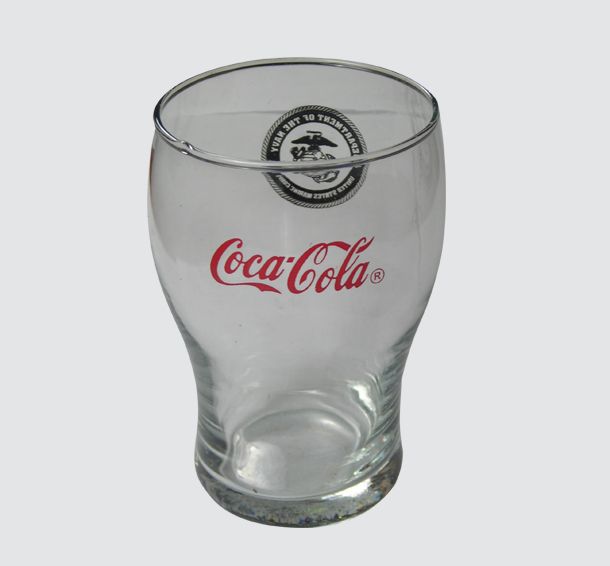
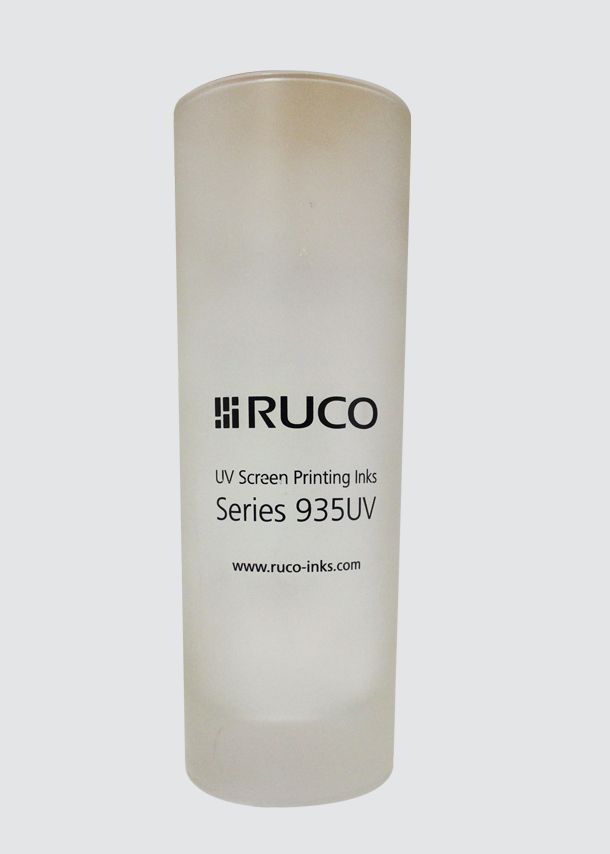
Printing on glass surfaces can be a challenge due to their unique characteristics, including their smooth and non-porous surface . However, pad printing is an excellent method for achieving high-quality prints on glass surfaces. This method is highly effective in transferring ink to irregular or curved glass surfaces, making it a versatile solution for printing on various glass items.
To ensure successful pad printing on glass, it is crucial to use the right ink type and ensure proper adhesion. Farbaglass inks are the most commonly used inks for printing on glass surfaces as they are highly durable, scratch-resistant, and can withstand high temperatures without fading or smudging. Additionally, it's essential to clean the glass surface and remove any debris or oils that could interfere with ink adhesion. Pre-treating the glass with a specialized primer can also improve adhesion and ensure long-lasting prints. Sometimes post treatment with UV is also recommended when printing on glass.UV treatment helps to harden the ink, making it more resistant to scratching, fading, and other forms of wear and tear. It also enhances the overall appearance of the print.
The glass industry offers a range of printing methods, including pad printing, screen printing, spray coating, hot stamping, and foiling. EPIC pad printing machines, provided by Spinks World, are an excellent choice for achieving high-quality prints on various types of glass, including flat, round, patterned, toughened, and tinted glass. These machines come in various models, such as the EP-60, EP-90, EP-130, EP-150, and more, and offer both single and multi-color printing options. For added convenience, these glass printing pad printing machines can be integrated with pre and post-treatment stations, conveyor belts, and other optional attachments to optimize the printing process.
Printing on glass surfaces can enhance the value of a product, improve its appearance, and increase its functionality.
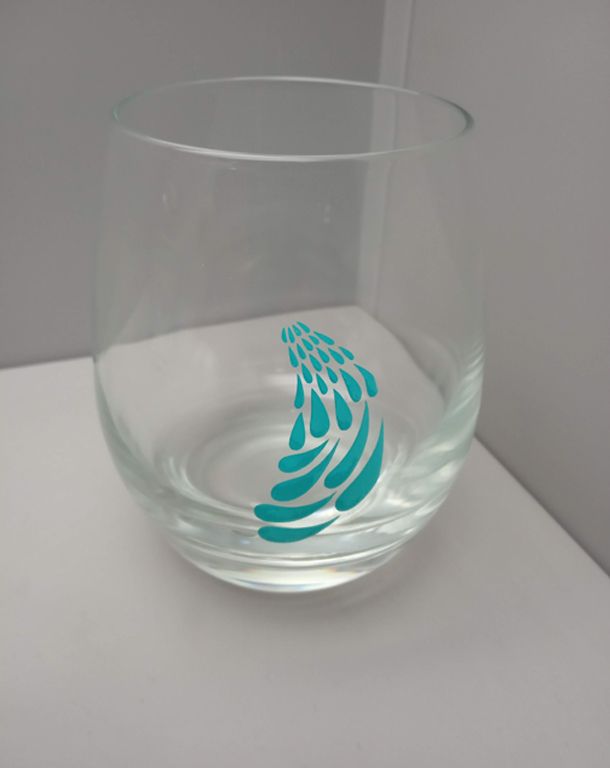
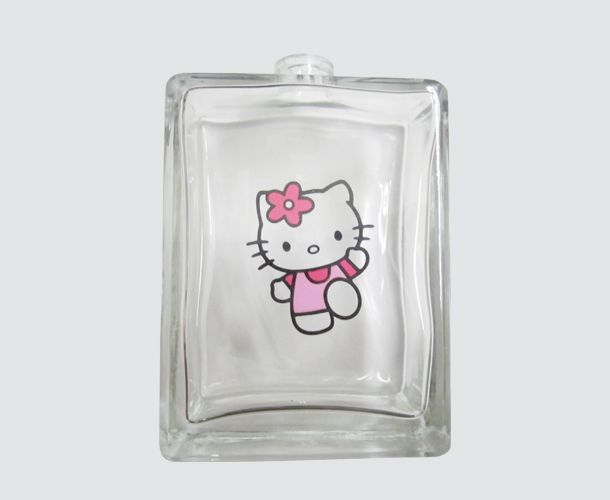
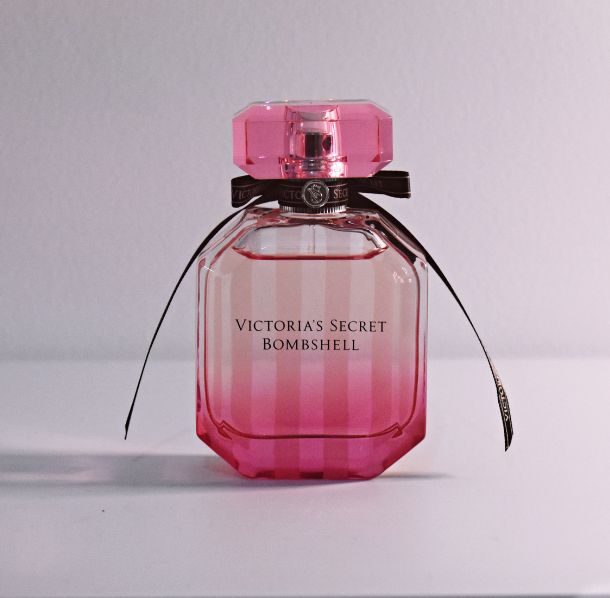
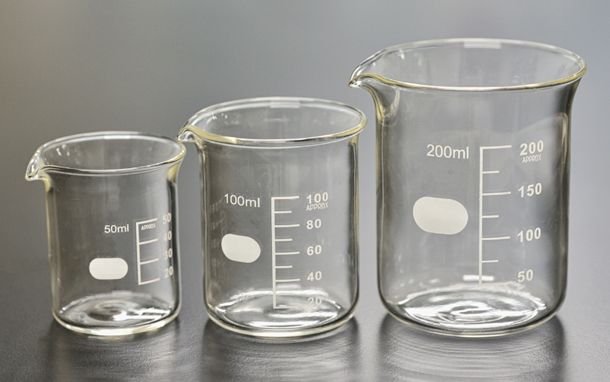
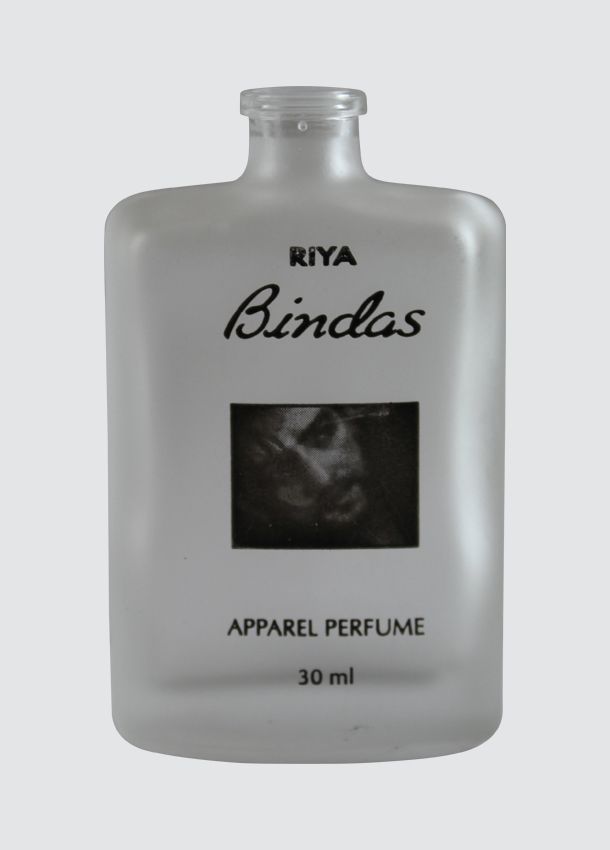
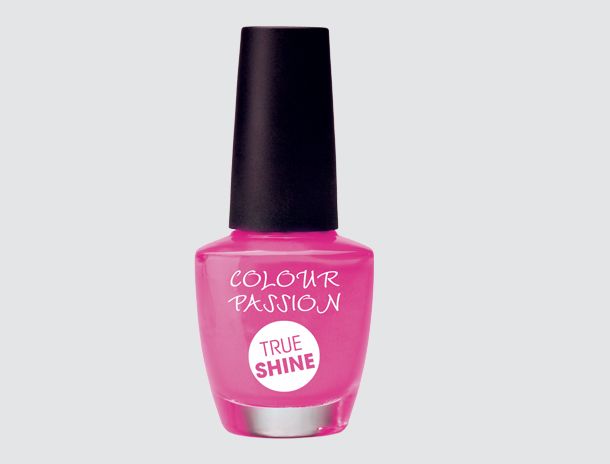
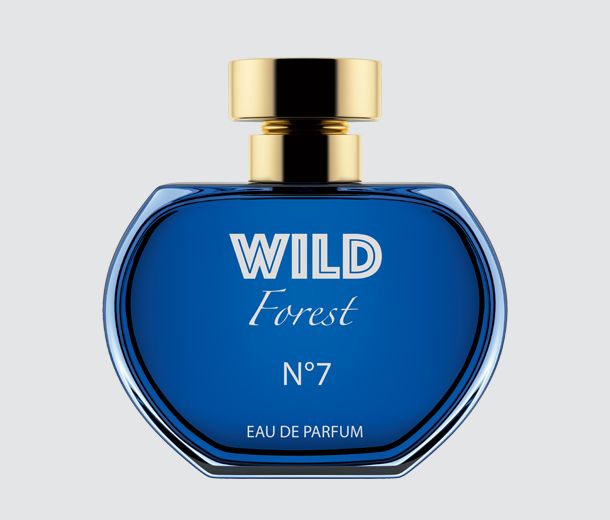
Whether you need to print on perfume glass bottles, alcohol/ liquor bottles, nail paint bottles, glass vials, wine glasses, shot glasses, mugs, or other glass items, EPIC machines by Spinks World provide reliable and versatile solutions for all your printing needs. Additionally, it's highly effective for printing on irregularly shaped objects with 3D surfaces.
Pad printing on glass is the perfect solution for projects that demand exceptional detail and precise registration across multiple colors. With its superior capabilities, this printing technique offers a wide range of possibilities for meeting your project requirements Choose EPIC pad printing machines for reliable and efficient printing on glass surfaces. To learn more about our glass bottle printing machine, wine glass printing machine, UV glass printing machine, shot glass printing machine, and more, Contact us.
Pad Printing on Glass



FAQs
Ques 1 : What are Spinks India’s glass printing inks primarily used for?
Answer: Spinks’s glass printing inks are extensively used for decorating, marking, and identifying a wide range of glass products, including perfume bottles, liquor bottles, drinking glasses, and flacons. They serve both graphical and industrial applications.
Ques 2 : What visual and haptic effects can be achieved with glass inks?
Answer: These inks allow for vibrant, glossy, and highly opaque colors, precise fine lines with high edge sharpness, photorealistic designs, metallic effects, and options for hot stamping. They also enable haptic (tactile) print effects and matt finishes for customization.
Ques 3 : What different types of glass printing inks does Spinks India offer?
Answer: Spinks India provides a comprehensive range of glass printing inks tailored for various processes:
- Screen Printing Inks: For high-quality, durable prints.
- Pad Printing Inks: Ideal for complex and curved shapes and smaller objects.
- Digital Printing Inks: For high-speed, customized, and flexible production
- Liquid Coatings: For pre-treatment and protective finishes.
Ques 4 : What types of inks are commonly used for glass printing?
Answer: For glass printing, specialized inks are used that offer strong adhesion and durability. Farbatech provides a range of solutions, including screen printing inks, pad printing inks, and digital printing inks tailored for glass, alongside liquid coatings and primers.
Ques 5 : How does digital printing work on glass? What are its advantages?
Answer: Digital printing on glass with inks like Farbatech’s Farbajet series allows for direct printing on packaging and hollow containers. Its advantages include:
- High Speed: Optimized for industrial single-pass processes.
- Efficiency: Often requiring less ink consumption.
- Flexibility: Ideal for customized prints and smaller production runs.
- High Resolution: Capable of detailed and photorealistic motifs.
Ques 6 : Can you name some key Farbatech ink series for glass printing and their benefits?
Answer: FarbaUV (Screen Printing): A UV-LED-curable, 2-component ink known for excellent resistance, strong initial adhesion, and sustainable UV-LED curing benefits.
Farbaglass PT (Screen & Pad Printing): A 1-component, solvent-based ink with high demands on adhesion and chemical resistance for both glass and PTFE.
Farbaglass (Pad & Screen Printing): A solvent-based, glossy 2-component ink, easy to use on various substrates with high chemical, mechanical, and dishwasher resistance.
Farbaglass (Pad & Screen Printing): A solvent-based, glossy 2-component ink, easy to use on various substrates with high chemical, mechanical, and dishwasher resistance.
Farbajet GLM Digital Printing: A UV-inkjet ink optimized for industrial single-pass printing on packaging and hollow containers, offering speed and efficiency.
Farbatech APT 204 (Liquid Coating): A 2-component, UV-curable liquid coating with excellent adhesion and very high chemical and mechanical resistance on glass.
Ques 7 : Are there UV-curable or LED-curable inks available for glass printing?
Answer: Digital printing on glass with inks like Farbatech’s Farbajet series allows for direct printing on packaging and hollow containers. Its advantages include: Absolutely. Farbatech offers advanced UV-curable and UV-LED-curable inks for glass, such as FarbaUV and Farbatube. These inks provide excellent resistance and adhesion while offering energy, time, and space savings due to rapid curing.
Ques 8 : What is the purpose of a primer or liquid coating in glass printing?
Answer: A primer (like IJM/M1) is a liquid adhesion promoter used for pre-treating glass materials. It significantly improves the bond between the glass surface and the ink layer. Liquid coatings (like APT 204) are applied as a protective layer, offering very high chemical and mechanical resistance to the printed surface.